



Important notice:
Due to our participation in the RETROMOBILE 2026 classic car show, orders received from January 21st will be processed starting from February 3rd. More information >>
Important notice:
Due to our participation in the RETROMOBILE 2026 classic car show, orders received from January 21st will be processed starting from February 3rd. More information >>

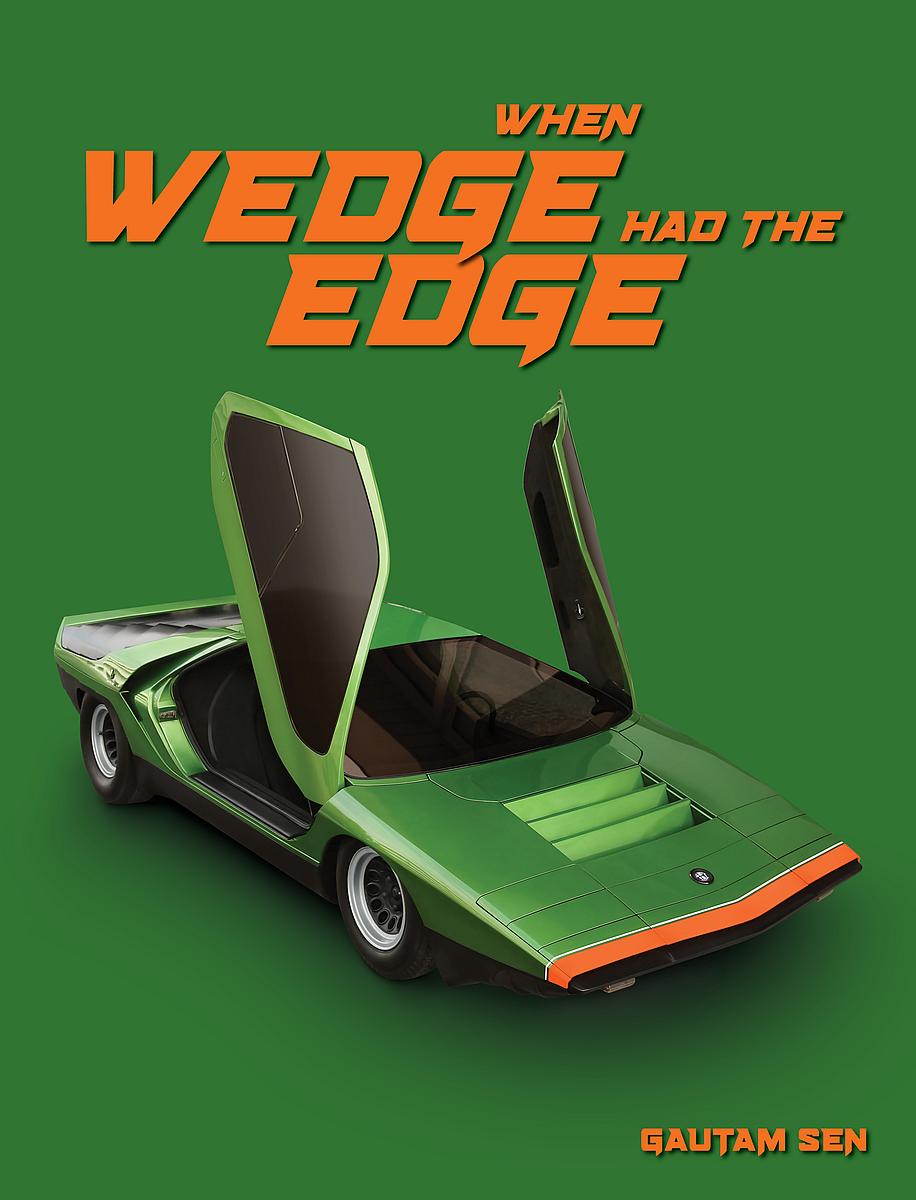
When the 1968 Paris Motor Show opened a surreal wedge-shaped sculpture of steel, glass, and layers of scaly metal astounded showgoers with its daring shape and extraordinary form.
The Alfa Romeo Carabo was an exercise in lateral thinking at just about every level. With headlamps covered by retractable slats and doors that opened, for the first time ever, with a scissor action, the Carabo rewrote the rules of automobile design, kickstarting an avalanche of extreme wedge forms—a trend that remained in vogue for the best part of the next two decades.
A bold departure from traditional automotive design, captivating the imagination with futuristic aesthetics and aerodynamic efficiency, the wedge style represented a paradigm shift in automotive aesthetics, emphasizing sharp lines, low profiles, and angular contours.
The wedge shape, characterized by a sharply tapered front end that widens towards the rear, was not merely a stylistic choice but a reflection of advancements in aerodynamics and engineering. By minimizing drag and improving stability at high speeds, these cars demonstrated a commitment to performance and efficiency.
In this fantastic book - When Wedge had the Edge - you will find iconic examples like the Alfa Romeo Carabo, Ferrari Modulo, Lancia Strato's Zero and the Maserati Boomerang, as well as series production cars such as the De Tomaso Pantera, Lamborghini Countach, and the Lotus Esprit, epitomized the wedge design ethos, captivating enthusiasts and shaping perceptions of automotive style for generations to come.
Their striking silhouettes became synonymous with speed, power, and innovation.
480 pages and 653 images. Text in english.
PREVIEW:
Product specification
Additional information
Write a Review
Login or Register to write your review
You might also like
- Publisher: Citrovisie
- Language: French
- Binding : In hardback

- Publisher: Press Up
- Language: English, Italian
- Binding : In hardback

- Publisher: Dalton Watson
- Language: English
- Binding : In hardback
- Publisher: Dalton Watson
- Language: English
- Binding : In hardback
- Publisher: Ceauto Gmbh
- Language: English
- Binding : In paperback

- Publisher: Giorgio Nada
- Language: English, Italian
- Binding : In hardback

- Publisher: Minerva Edizioni
- Language: Italian
- Binding : In hardback